
 League of Angels
 Felspire
 Clash of Avatars
 Empire:
 Tiny Mighty
 Lords Road
 Siegelord
 Shaikan
 DragonCity

Unlocking Automation: The Ultimate Guide to Choosing the Perfect IC Chip for Your Project!
Integrated Circuit (IC) chips are at the heart of modern electronics, functioning as the brains behind countless devices that streamline and automate our daily lives. In the realm of automation projects, selecting the right IC chip is crucial, as it can significantly affect the performance, compatibility, and overall success of your project. With the various options available, understanding the specific requirements of your project—be it power consumption, processing speed, or interoperability—is essential to ensure you make the right choice. This guide will delve into the intricacies of IC chips, helping you navigate the selection process with confidence.
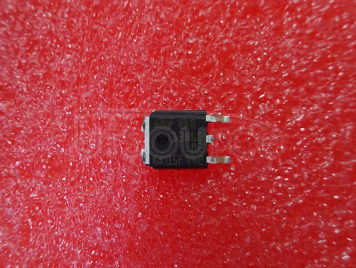
Understanding IC Chips
IC chips, or integrated circuits, are small electronic circuits made up of transistors, resistors, and capacitors, all em
Key Factors to Consider When Choosing an IC Chip
When it comes to selecting an IC chip, several key factors should be taken into account to ensure your choice aligns with your automation project's needs. First, consider the power requirements: some IC chips operate on low power, which is essential for battery-operated devices, while others may require more energy for high-performance tasks. Next, processing speed plays a significant role; faster chips can handle more complex tasks efficiently. Compatibility is another critical factor; ensure the chosen IC chip integrates well with other components in your project, such as sensors and actuators. Lastly, take note of the available features, such as built-in communication interfaces or specific processing capabilities, which can enhance your project's functionality. Evaluating these factors will guide you toward making an informed decision in your IC chip selection.
Comparing Different IC Chip Types
With a multitude of IC chip types available, comparing them ba
Microcontrollers vs. ASICs
In the debate of microcontrollers versus ASICs, each has its advantages and disadvantages. Microcontrollers are user-friendly and versatile, ideal for prototyping and small-scale projects. They come with built-in features like timers and communication ports, which simplify development. However, they may not always provide the performance needed for high-demand applications. ASICs, conversely, offer superior performance tailored to specific tasks, making them ideal for mass production or applications where efficiency is paramount. The downside is that ASICs require a more significant upfront investment in design and manufacturing, which may not be feasible for every project. Ultimately, your choice should depend on your project’s scale, budget, and performance requirements.
Evaluating IC Chip Specifications
Understanding IC chip specifications is vital for making an informed choice. Key metrics include operating voltage, which affects power consumption; clock speed, which determines processing speed; and input/output configurations, which dictate how the chip interacts with other components. Additionally, pay attention to memory size, which impacts how much data the chip can process simultaneously. Familiarizing yourself with these terms can help you better assess how an IC chip will perform within your automation project. Furthermore, always check for additional features like onboard peripherals or communication protocols that can enhance the chip's functionality. A thorough evaluation of specifications ensures that the selected IC chip meets both current and future project demands.
Common Applications of IC Chips in Automation
IC chips play a pivotal role in various automation applications, revolutionizing industries and everyday life. In robotics, microcontrollers are frequently used to control motors and sensors, enabling complex movements and responses to environmental changes. Smart home devices also rely on IC chips for automation tasks such as lighting control, security monitoring, and climate management, creating a connected and efficient living environment. In industrial control systems, specialized ICs are employed to manage machinery operations, enhance safety protocols, and streamline processes. Each application showcases the versatility and critical importance of IC chips in driving innovation in automation, highlighting the need to choose the right chip for your specific application.
Making Informed IC Chip Choices
Choosing the right IC chip is a foundational step in any automation project. By understanding the different types of IC chips, evaluating key factors such as power requirements and compatibility, and familiarizing yourself with specifications, you can make informed decisions that pave the way for successful implementation. The journey of selecting an IC chip may seem daunting, but with careful consideration and research, you can unlock the full potential of automation in your projects. Remember, the right IC chip can be the difference between a successful and a failed project, making it essential to invest time in this critical decision.