
 League of Angels
 Felspire
 Clash of Avatars
 Empire:
 Tiny Mighty
 Lords Road
 Siegelord
 Shaikan
 DragonCity

Unlocking the Secrets of Time Clocks: Revolutionize Your Workday!
In today's fast-paced work environment, time management is crucial for success. One of the key players in this arena is the time clock, a tool that has evolved significantly over the years. From the old-fashioned punch clocks that made a loud tick with each entry to the sleek digital systems we see today, time clocks have a rich history that reflects our changing work habits. Modern workplaces are increasingly relying on digital time clocks, which not only track hours worked but also provide insights into employee productivity and operational efficiency. This article aims to explore the various aspects of time clocks, including their functions, benefits, and the challenges that organizations face when implementing these systems. By understanding how time clocks work, businesses can enhance productivity and streamline their operations.
Understanding Time Clocks
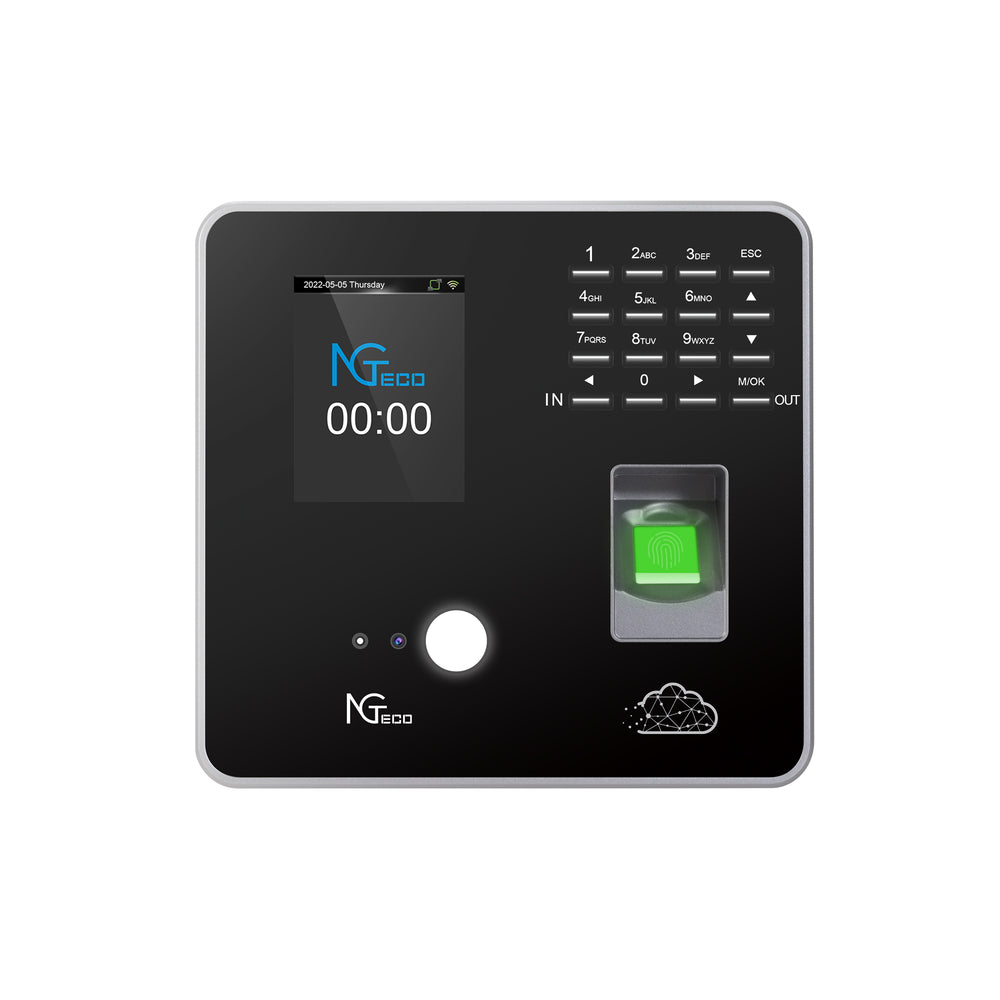
A time clock is a device used to record the start and end times of an employee's working day. Its primary function is to track employee hours accurately, which is essential for payroll processing. In the past, employees would physically punch a card into a machine, which would timestamp their arrival and departure. Nowadays, there are various types of time clocks available, including traditional punch clocks, digital systems with touch screens, and mobile applications that allow employees to clock in from their smartphones. Some workplaces even use facial recognition or biometric systems to ensure that the right person is clocking in, enhancing security and accuracy. This evolution from mechanical to digital reflects the need for more precise and efficient timekeeping methods in modern businesses.
How Time Clocks Work
Time clocks operate through a straightforward mechanism that ensures accurate tracking of employee hours. The process typically begins when an employee arrives at work and clocks in, which can be done through various methods, including swiping a card, entering a PIN, or using biometric scanning. Digital time clocks often incorporate advanced technology such as RFID (Radio-Frequency Identification) systems that allow employees to clock in with a simple wave of their ID card. When it's time to leave, employees clock out using the same method. The data collected during these transactions is then stored in a centralized system, where it can be accessed for payroll processing and analysis. This automation reduces the chances of human error and ensures that employee hours are recorded consistently and accurately.
Benefits of Using Time Clocks in the Workplace
The implementation of time clocks in the workplace offers numerous advantages. One of the most significant benefits is improved accuracy in time tracking. Automated systems minimize the risk of errors that can occur with manual time entry, ensuring that employees are paid accurately for the hours they work. Additionally, time clocks promote accountability among employees, as they are aware that their hours are being recorded in real-time. This can lead to increased productivity as employees strive to optimize their time at work. Moreover, time clocks can assist organizations in complying with labor laws and regulations by providing clear records of employee hours, which is essential during audits or inspections. In my experience, a friend who managed a small business found that after implementing a digital time clock system, payroll errors dropped significantly, saving both time and money.
Challenges and Considerations
While the benefits of time clocks are apparent, organizations may encounter challenges when adopting these systems. One of the main hurdles is employee resistance; some may feel uncomfortable with the increased monitoring of their work hours. To address this, it is crucial for management to communicate the benefits clearly and ensure employees understand that the goal is to improve efficiency rather than to micromanage. Additionally, proper training is essential to ensure that all employees are comfortable using the new system. When selecting a time clock system, businesses should consider their specific needs—whether they require basic time tracking or more advanced features such as scheduling and reporting. It's a good idea to involve employees in the selection process to enhance buy-in and make the transition smoother.
Enhancing Workplace Efficiency with Time Clocks
In conclusion, time clocks play a vital role in modern workplaces by providing a reliable and efficient means of tracking employee hours. Understanding how these systems work and their benefits can lead to a more organized and productive work environment. By embracing the technology of time clocks, businesses can reduce payroll errors, enhance accountability, and ensure compliance with labor regulations, ultimately resulting in a more efficient operation. As we navigate the complexities of today's work environment, integrating time clocks into workplace practices can be a smart move for any organization looking to enhance productivity and streamline operations.