
 League of Angels
 Felspire
 Clash of Avatars
 Empire:
 Tiny Mighty
 Lords Road
 Siegelord
 Shaikan
 DragonCity

Unlocking the Future: Discover the Game-Changing Benefits of Wi-Fi Enabled Time Clocks!
In today’s fast-paced work environment, the need for precise timekeeping has never been more critical. As businesses evolve, so too do the technologies that help manage them. One of the most significant advancements in this realm is the emergence of Wi-Fi enabled time clocks. Gone are the days of relying solely on traditional punch cards or manual time sheets. The rise of these smart devices signifies a shift towards more sophisticated, streamlined solutions that enhance workplace efficiency. Wi-Fi enabled time clocks not only provide a seamless way for employees to clock in and out but also integrate with various systems to streamline payroll and attendance tracking. This article will explore the features and benefits of these innovative timekeeping devices, ultimately revealing why they are becoming indispensable tools in modern workplaces.
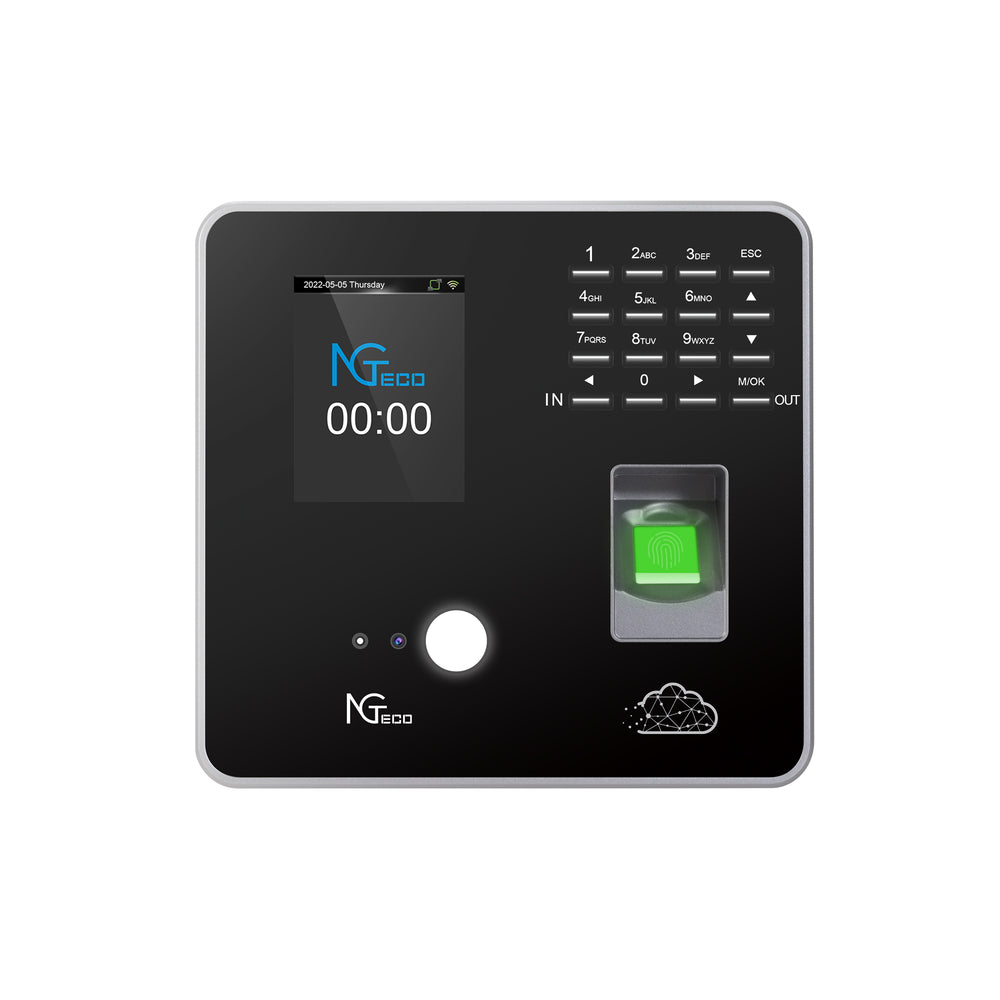
Understanding Wi-Fi Enabled Time Clocks
Wi-Fi enabled time clocks are advanced devices that utilize wireless internet connectivity to track employee hours and attendance. Unlike traditional time clocks that rely on physical cards or manual entries, these modern solutions allow employees to clock in and out using digital interfaces, often via touch screens or mobile apps. The technology behind these devices typically includes a combination of RFID (Radio-Frequency Identification) or biometric sensors, ensuring accurate tracking of employee hours. The wireless connection not only facilitates real-time data transmission but also enables the management to access attendance records from anywhere, making it easier to oversee operations. This advancement eliminates the need for cumbersome hardware and reduces the likelihood of errors associated with manual entries, thus ensuring that timekeeping is both efficient and reliable.
Key Features of Wi-Fi Enabled Time Clocks
Wi-Fi enabled time clocks come packed with features that set them apart from their traditional counterparts. One of the standout features is real-time data access, which allows managers to monitor attendance and time records instantly. This capability is crucial for businesses that require immediate insights into employee hours for payroll and project management. Additionally, many of these devices offer remote management capabilities, enabling administrators to adjust settings, view reports, and even troubleshoot issues without being physically present. Integration with payroll systems is another significant advantage; by syncing time clock data directly with payroll software, businesses can minimize data entry errors and streamline the payroll process. Furthermore, some models include geofencing features, ensuring that employees can only clock in from designated locations, thus enhancing accountability.
Benefits of Using Wi-Fi Enabled Time Clocks
The benefits of adopting Wi-Fi enabled time clocks are numerous and impactful. Firstly, they contribute to increased accuracy in time tracking, reducing the common pitfalls of manual entry errors. This accuracy not only ensures that employees are paid correctly but also aids in maintaining compliance with labor laws. Secondly, these devices significantly reduce the administrative workload. With automated data collection and integration with payroll systems, HR staff can spend less time managing time records and more time focusing on strategic initiatives. Enhanced employee accountability is another key benefit; with features like biometric verification or geofencing, employees are less likely to engage in time theft or buddy punching. Overall, Wi-Fi enabled time clocks create a more transparent and efficient workplace, promoting trust and productivity among employees.
Challenges and Considerations
While the advantages of Wi-Fi enabled time clocks are compelling, it is essential to acknowledge the potential challenges that come with their implementation. One of the primary concerns is security; as these devices operate over a wireless network, they may be vulnerable to hacking or unauthorized access. Businesses must invest in robust security measures, such as encryption and secure network protocols, to protect sensitive employee data. Additionally, reliable internet connectivity is critical for the functionality of Wi-Fi enabled time clocks. Organizations in areas with unstable internet may face disruptions that can affect time tracking accuracy. To mitigate these issues, companies should consider backup solutions, such as mobile data hotspots, to ensure continued operation. By addressing these challenges proactively, businesses can fully leverage the benefits of Wi-Fi enabled time clocks.
Transformative Benefits of Wi-Fi Enabled Time Clocks
In summary, Wi-Fi enabled time clocks represent a transformative step forward in the realm of employee timekeeping. With their advanced features and significant benefits, these devices offer a modern solution that enhances organizational efficiency and accuracy. By understanding both the capabilities and challenges associated with these time clocks, businesses can make informed decisions about their implementation. As we move deeper into the digital age, transitioning to Wi-Fi enabled time clocks is not just a trend but a necessary evolution for companies looking to thrive in a competitive landscape. Embracing this technology can lead to a more productive and accountable workplace, ultimately contributing to overall business success.