
 League of Angels
 Felspire
 Clash of Avatars
 Empire:
 Tiny Mighty
 Lords Road
 Siegelord
 Shaikan
 DragonCity

Unlocking the Secrets of DCS Communication Protocols: Transform Your Industrial Insights!
In the realm of industrial automation, the Distributed Control System (DCS) plays a pivotal role in managing complex processes. At the heart of a DCS lies a network of communication protocols that facilitate real-time data exchange between various system components. Understanding these communication protocols is crucial for enhancing operational efficiency and reliability across multiple industries, from oil and gas to pharmaceuticals. With the right knowledge, engineers and technicians can optimize their systems, ensuring seamless operations and minimizing downtime. As someone who has witnessed firsthand the crucial role these protocols play in a friend's manufacturing plant, I can attest to the transformative impact they have on industrial processes.
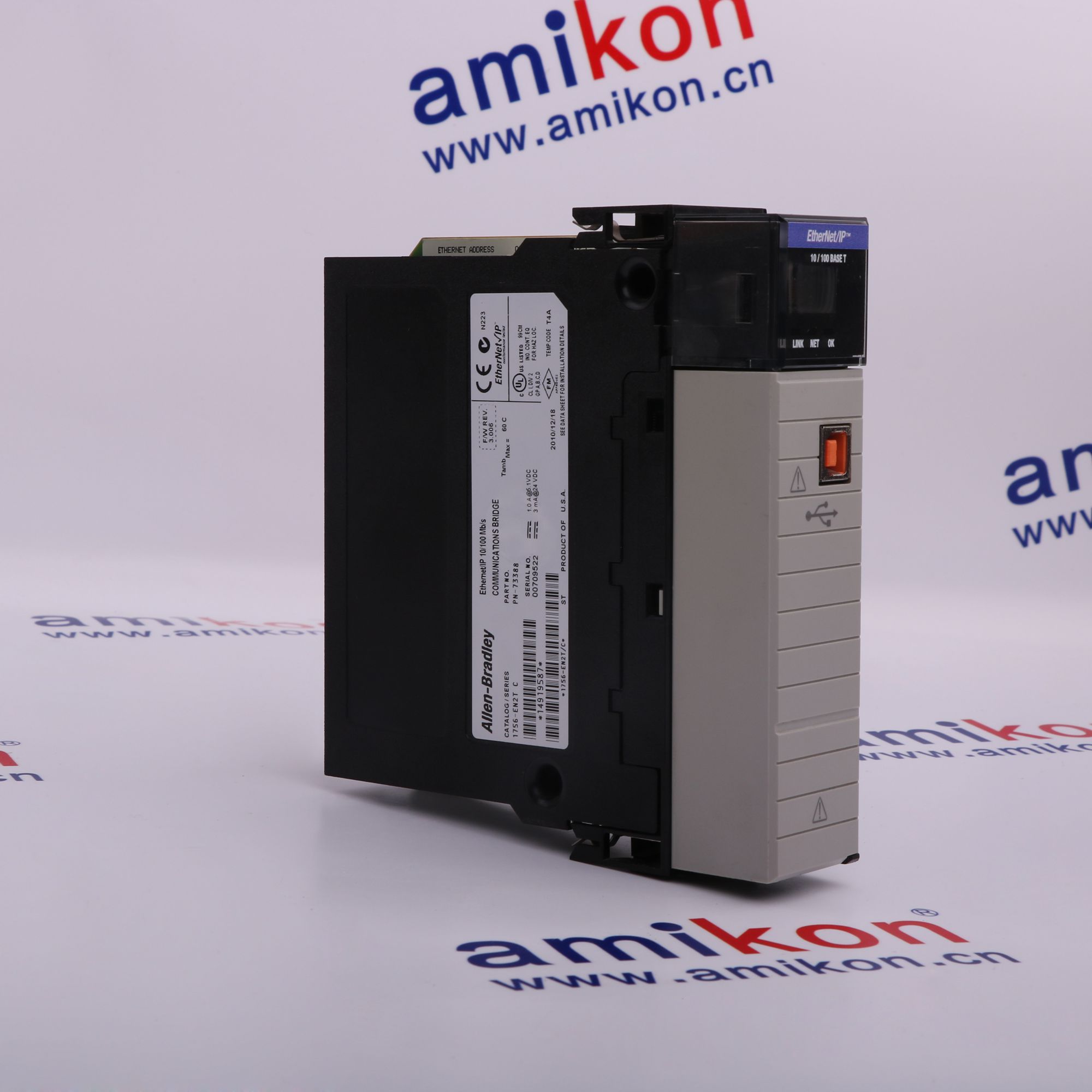
Understanding DCS Communication Protocols
DCS communication protocols are the set of rules and standards that enable different components within a distributed control system to communicate effectively. These protocols define how data is transmitted, ensuring that information flows smoothly between controllers, sensors, and actuators. A DCS typically consists of various hardware and software components; thus, robust communication protocols are essential for maintaining system integrity and performance. In industrial environments, these protocols facilitate real-time monitoring and control, allowing operators to make informed decisions quickly. The necessity of these protocols cannot be overstated, as they serve as the backbone of reliable data exchange in complex automation systems.
Types of DCS Communication Protocols
In the industrial landscape, several DCS communication protocols are widely utilized, each with its unique characteristics, advantages, and applications. Among the most common are Modbus, Profibus, and HART protocols. Understanding the distinctions between these protocols is crucial for selecting the right one for specific industrial applications. Each protocol has its strengths and is tailored to meet different communication needs within a DCS environment.
Modbus
Modbus is one of the earliest communication protocols developed for industrial automation. It operates on a master/slave architecture, where a master device controls the communication with one or more slave devices. Modbus supports both serial (RTU and ASCII) and Ethernet (Modbus TCP) communications, making it versatile for various applications. Its simplicity and ease of implementation are among its significant advantages, making it a popular choice for connecting devices such as sensors, controllers, and other field devices in automation systems. Typical use cases for Modbus include monitoring and controlling remote devices in water treatment plants and energy management systems.
Profibus
Profibus, short for Process Field Bus, is another widely adopted communication protocol in industrial automation. It is designed for high-speed data transmission and supports a wide range of devices, including sensors, actuators, and controllers. Profibus operates on a token-passing mechanism, which enhances communication reliability and reduces the chances of data collisions. Its ability to connect multiple devices in a network makes it ideal for complex industrial applications, such as manufacturing and process control. Many industries leverage Profibus for its robustness and capability to integrate diverse devices into a cohesive control system.
HART
The Highway Addressable Remote Transducer (HART) protocol stands out due to its unique dual communication capabilities. It allows for both analog and digital signals to coexist over the same wiring, facilitating real-time data exchange and device diagnostics. This dual capability enhances data integrity and provides valuable insights into the performance of field devices. HART is commonly used in process control applications, where accurate data from instruments is critical for maintaining operational efficiency. By utilizing HART-enabled devices, industries can achieve better monitoring and control of their processes.
Benefits of Using DCS Communication Protocols
The implementation of DCS communication protocols offers numerous benefits that enhance operational effectiveness. One of the primary advantages is improved data accuracy, which is vital for making informed decisions in industrial processes. Enhanced interoperability among devices is another significant benefit, as it allows for seamless integration of various components from different manufacturers. This capability leads to increased overall system reliability, as operators can monitor and control devices from a centralized point. Furthermore, adopting standardized protocols reduces the complexity of system design and maintenance, ultimately resulting in cost savings for organizations.
Challenges and Considerations
Despite the numerous advantages of DCS communication protocols, there are challenges to consider. Compatibility issues may arise when integrating devices from different manufacturers, leading to potential communication breakdowns. Additionally, the complexity of integrating various protocols can pose significant hurdles for engineers and technicians. Ongoing maintenance and updates are necessary to ensure that the communication systems remain efficient and secure. These challenges highlight the importance of thorough planning and consideration when selecting and implementing DCS communication protocols in industrial environments.
Key Takeaways on DCS Communication Protocols
In summary, understanding DCS communication protocols is essential for optimizing industrial applications and ensuring seamless operations. The selection of the right protocol can significantly impact the efficiency and reliability of a DCS, making it imperative for professionals in the field to stay informed about the different options available. As technology evolves, the future of DCS communication protocols will likely see advancements that enhance connectivity and integration across devices. By staying abreast of these trends, industries can continue to transform their operational processes, paving the way for greater innovation and efficiency.